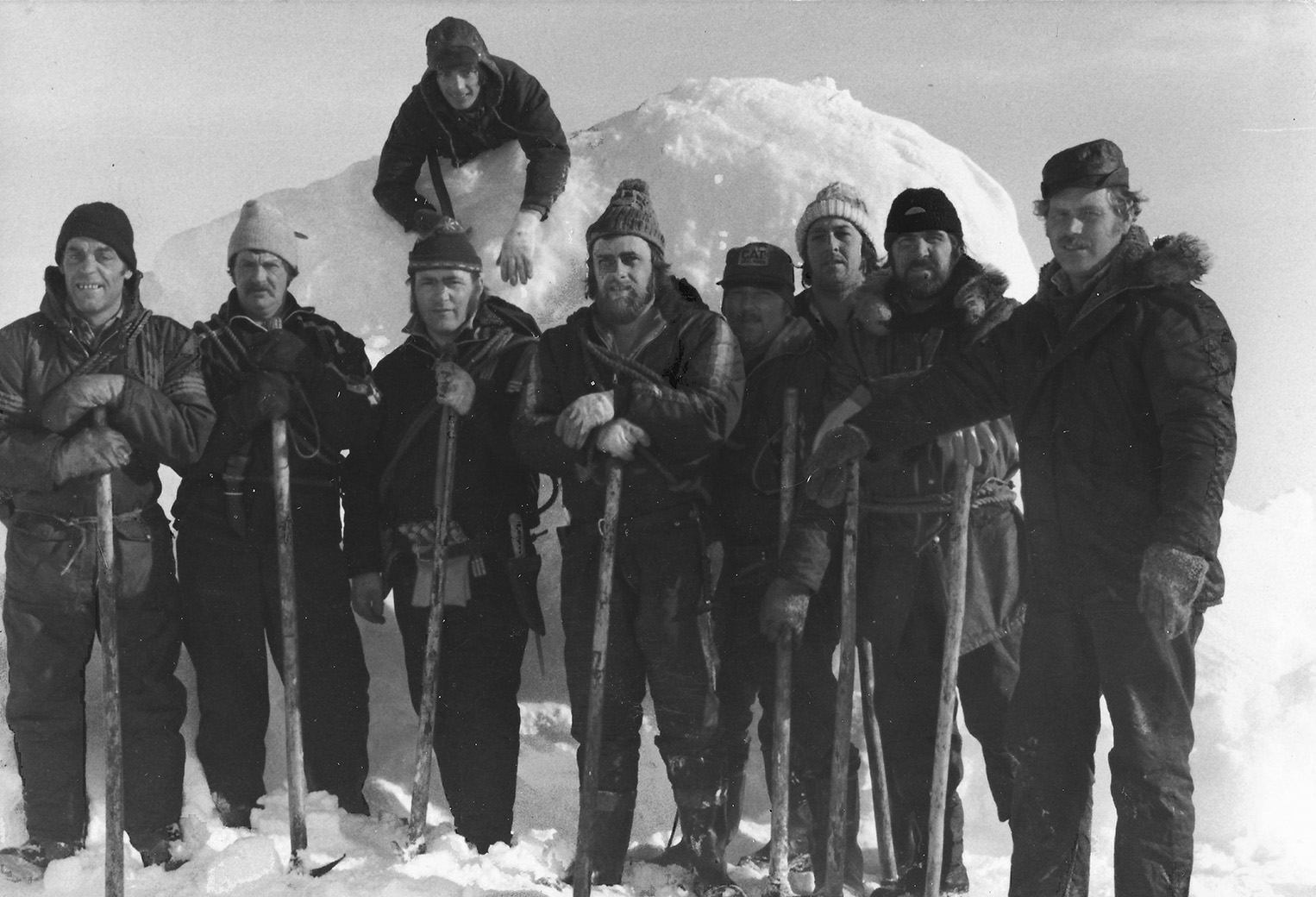
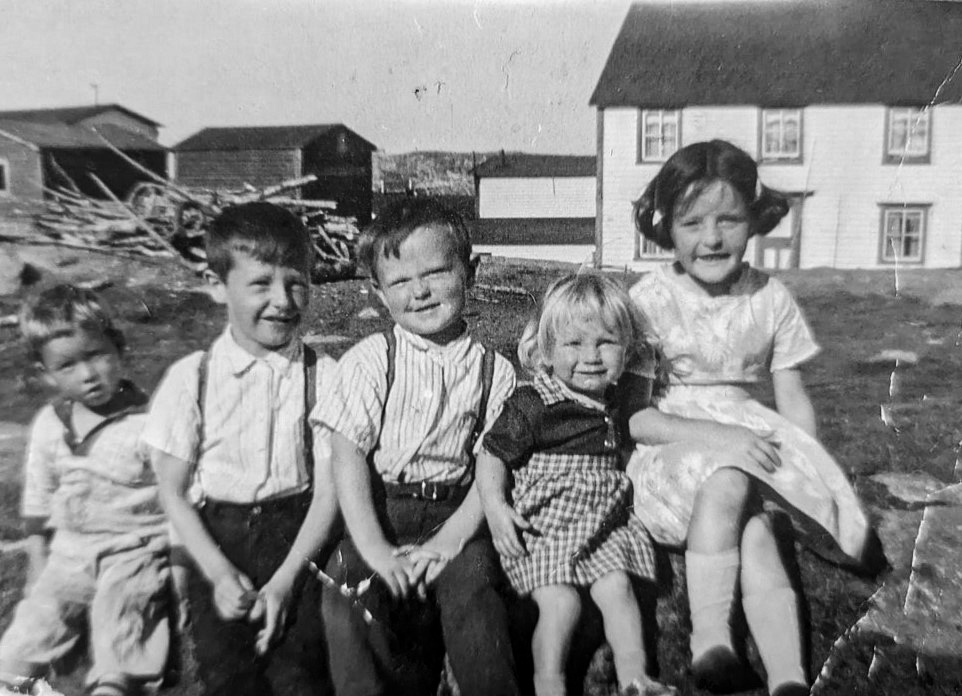
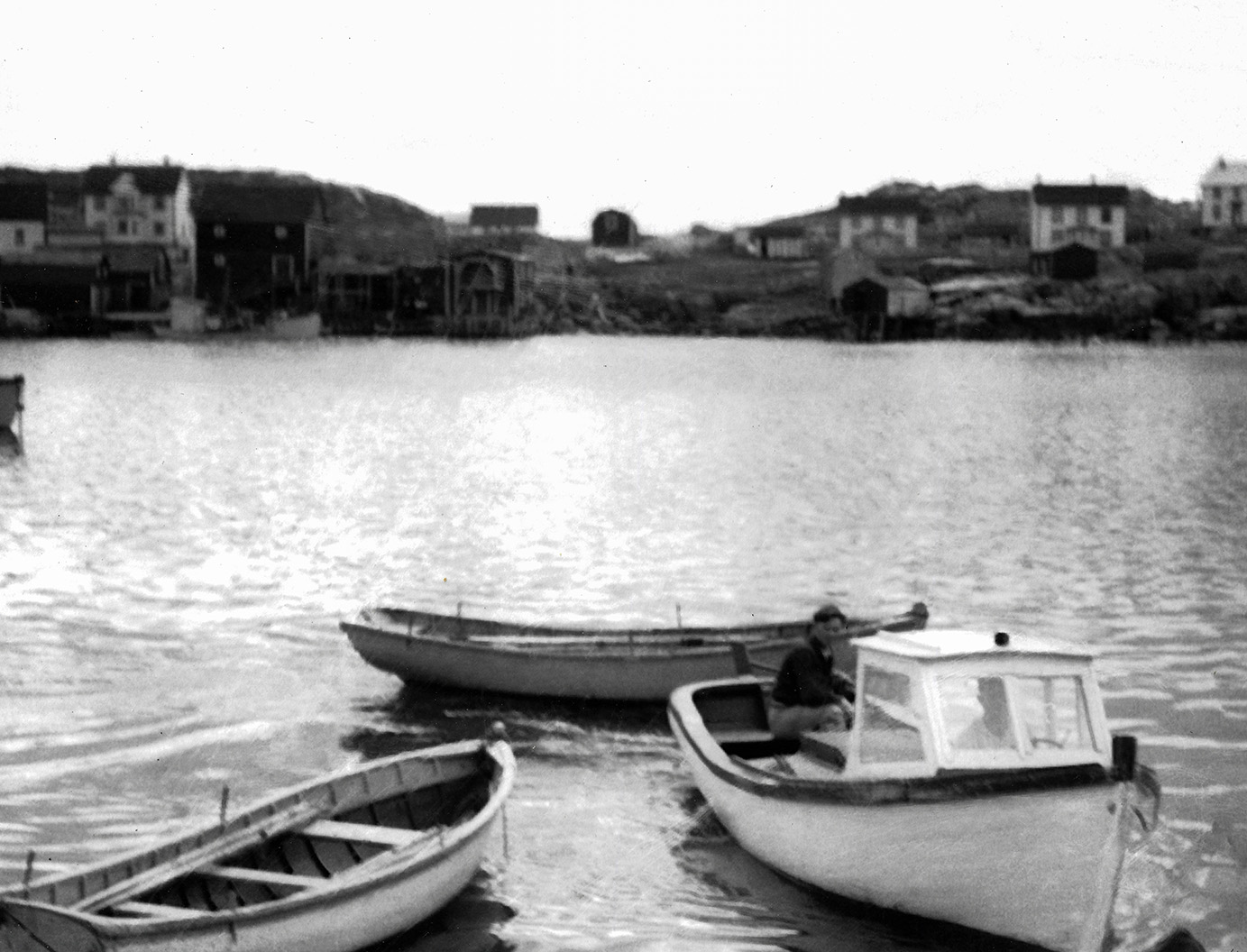
Group of Fisherman
1 media/Fogo-Island-Inn-Community-History-Sealing_thumb.jpg 2026-03-22T18:29:29+00:00 Alicia Primiani 735b8f2770589453a18b72ce6038011f215fb41c 16 1 Historic photo of a group of fisherman on Fogo Island plain 2026-03-22T18:29:29+00:00 Alicia Primiani 735b8f2770589453a18b72ce6038011f215fb41cThis page is referenced by:
-
1
media/Fogo-Island-Inn-Community-History-Sealing.jpg
2026-03-22T18:06:47+00:00
Chapter 1: The Land and Its People
47
Fogo Island, its geography, and early Indigenous and European settlements.
image_header
2026-04-07T20:46:13+00:00
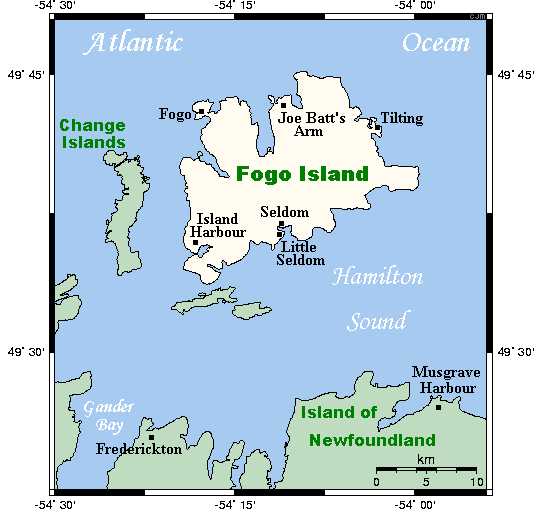
Fogo Island is a small island off the coast of Newfoundland and Labrador and was originally a seasonal settlement used for centuries by Indigenous peoples, including the Maritime Archaic and the later Beothuk communities (Fogo Island Inn n.d. “History”). The island functioned as a harbor for fishing, hunting, and gathering, and was an important spiritual and cultural site for these communities. The rivers flowing into Notre Dame Bay and the surrounding coastal landscape influenced seasonal patterns, moving around based on environmental cycles and availability of resources (Fogo Island Inn n.d., “History”). Newfoundland’s economy was and still is one of “hewers of wood and drawers of water,” reflecting its long history of resource extraction.
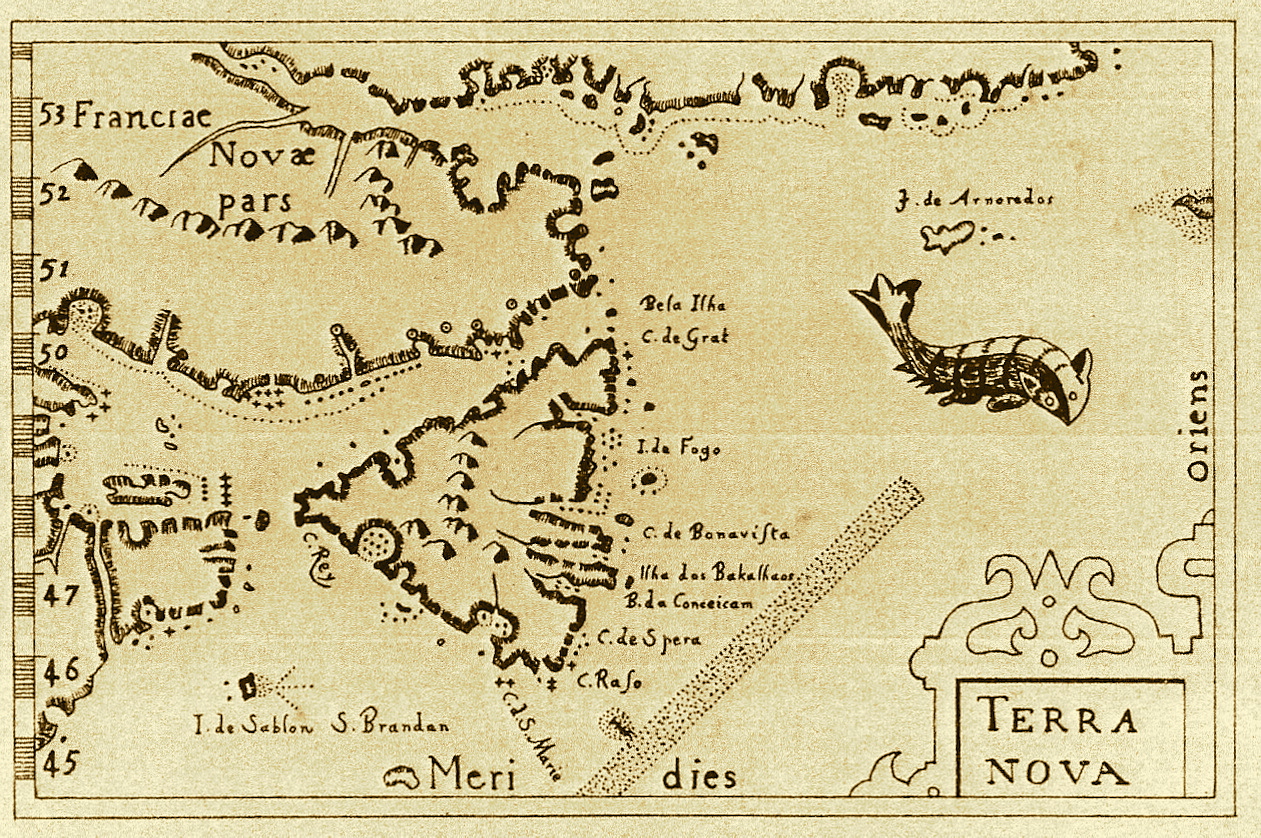
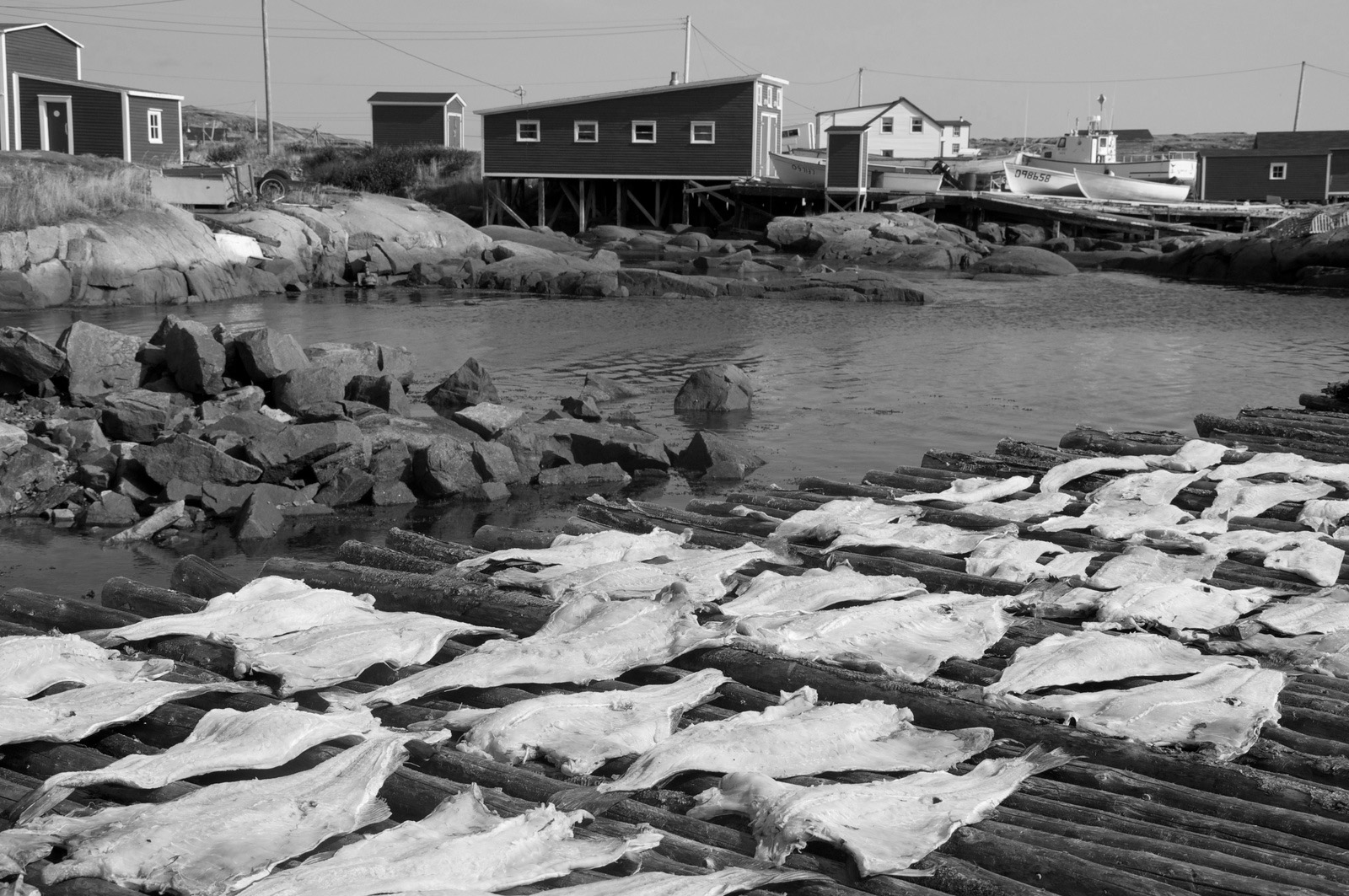
Eventually, Fogo Island became home to European sailors and fishers who sustained themselves through the region’s Atlantic cod. The arrival of the Europeans began in the sixteenth century and changed the region drastically. Sailors would travel across the Atlantic each summer to exploit the island’s resources and return to Europe with preserved salt cod once the season was over (Fogo Island Inn n.d., “The Story of Cod”). What began as a migratory and seasonal fishery eventually turned into a more permanent settlement. By the eighteenth century, many residents consisted of immigrants from Ireland and England who would stay year-round, with cod being the foundation of livelihood and community (Fogo Island Inn n.d., “The Story of Cod”). When the first Europeans arrived, “contact between these groups was not congenial” (Mellin 2003). Conflict with settlers led to the rapid decline of the Beothuk population throughout Newfoundland, until 1829 when the last known Beothuk person died (Toby 2022). These settlers brought different cultural traditions to the island and continue to shape its identity today.For generations, cod fishing formed the economic and cultural backbone of life on Fogo Island. The inshore fishery was a family-based activity, with men typically travelling out each day in small wooden boats and catching cod by handline, while families worked together to process the catch on land (Fogo Island Inn n.d., “The Story of Cod”). Fish were split, salted, and laid out to dry on wooden structures called flakes, where they remained in the sun until they became salt cod ready to trade (Fogo Island Inn n.d., “The Story of Cod”). During high season, flakes would cover the shoreline with rows of drying fish, visually transforming the landscape.
The region’s abundance of salt cod helped connect Fogo Island to a global trade market. After being dried and preserved, the fish were exported to markets in Europe and the Caribbean, which contributed to a broader trade economy (Fogo Island Inn n.d., “The Story of Cod”). Fishing on the island was not only a local activity and necessity, but also a part of a wider system that shaped where people lived, worked, and found community throughout Newfoundland and Labrador.Despite Fogo Island’s reliance on the fishery, it was constantly evolving. By the late 1800s, declining catch rates caused fishers to adopt newer techniques, such as trawl lines, gillnets, and cod traps, to compete in the industry, while pushing small-boat fishers out entirely (Fogo Island Inn n.d., “The Story of Cod”). These technological developments gradually reshaped the industry and put new pressures on residents and their livelihoods. Still, fishing remained the primary economic activity on Fogo Island and continued to shape everyday life.
Aside from fishing, the island also relied heavily on the community. In the late 1960s, a series of films was produced as a way to address some of the economic challenges Fogo Island was having. Directed by Colin Low, the “Fogo Process” films were developed as part of the National Film Board of Canada’s Challenge for Change program. He followed conversations with residents about the future of their communities and the instability of the fishery (Fogo Island Inn n.d., “History”). Through these films, residents banded together to discuss solutions to their problems. This led to the formation of the Fogo Island Improvement Committee and the creation of the Fogo Island Co-operative Society, which still exists today (Fogo Island Inn n.d., “History”). The Co-op pays above-market prices for sustainably caught cod and prioritizes local jobs to ensure that local fishers remain in control of the industry (House of Commons Standing Committee on Fisheries and Oceans 2017).
The history of Fogo Island is deeply tied to the cod fishery and is the glue that holds this coastal community together. From a seasonal Indigenous settlement to more permanent residency, the island’s identity has always revolved around people and the site’s relationship between land and sea. This history is important to understand how Fogo Island has transformed over time and explains how it functions now.
References
Fogo Island Inn. n.d. “History - Fogo Island Inn.” Fogo Island Inn. https://fogoislandinn.ca/destination/fogo-island/history/.Fogo Island Inn. n.d. “The Story of Cod: Centuries of Fishing on Fogo Island.” Fogo Island Inn. https://fogoislandinn.ca/news/stories/history-of-cod-fishing/.
House of Commons Standing Committee on Fisheries and Oceans. 2017. Newfoundland and Labrador’s Northern Cod Fishery: Charting a New Sustainable Future. 42nd Parl., 1st sess., March. Ottawa: Government of Canada. https://www.ourcommons.ca/Content/Committee/421/FOPO/Reports/RP8826804/foporp10/foporp10-e.pdf
Mellin, Robert. Tilting House Launching, Slide Hauling, Potato Trenching and other Tales from a Newfoundland Fishing Ville. Princeton Architecture Press, New York, 2003.
Toby, Jennifer. 2022. “Community Regeneration on Fogo Island – Sustainable Heritage Case Studies.” Sustainable Heritage Case Studies.
https://sustainableheritagecasestudies.ca/2022/01/14/community-led-tourism-at-fogo-islnd/