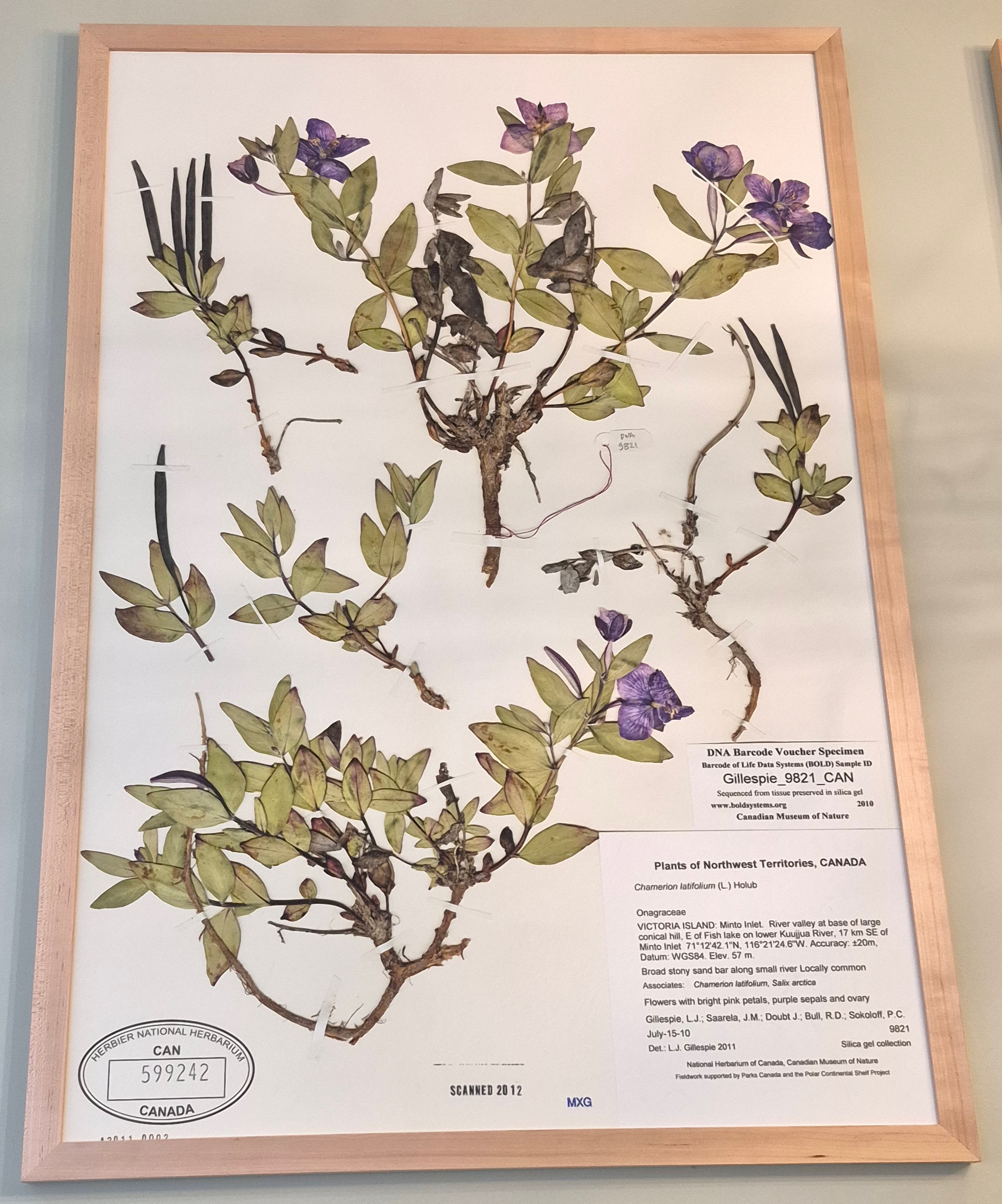
River Beauty, Chamerion latifolium
1 media/20260411_131725_thumb.jpg 2026-04-16T02:47:46+00:00 Sarah McNeil 41ea9ccf786d5aed2b001e3617ec4ed7bb55485f 31 1 Image representing the scientific process of collecting, naming, and categorizing species at the Museum of Nature. Photo by Author (April 11, 2026) plain 2026-04-16T02:47:46+00:00 Sarah McNeil 41ea9ccf786d5aed2b001e3617ec4ed7bb55485fThis page is referenced by:
-
1
2026-04-15T15:14:51+00:00
Canadian Museum of Nature 1910-2010
36
An Exploration of Nature through the Evolution of the Victoria Memorial Museum Architecture
plain
2026-04-22T14:36:12+00:00
An Exploration of Nature through the Evolution of the Victoria Memorial Museum Architecture
A Brief History
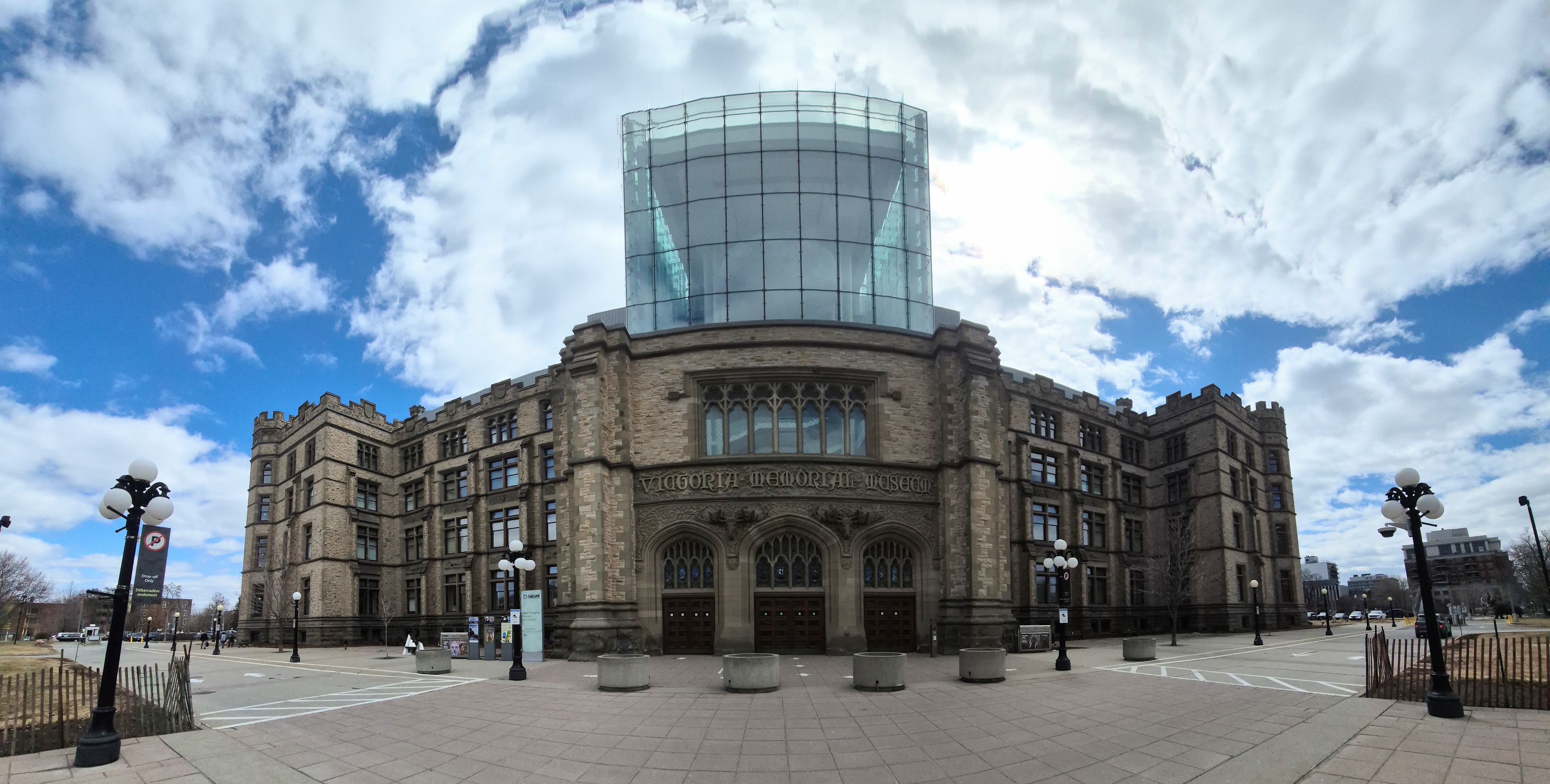
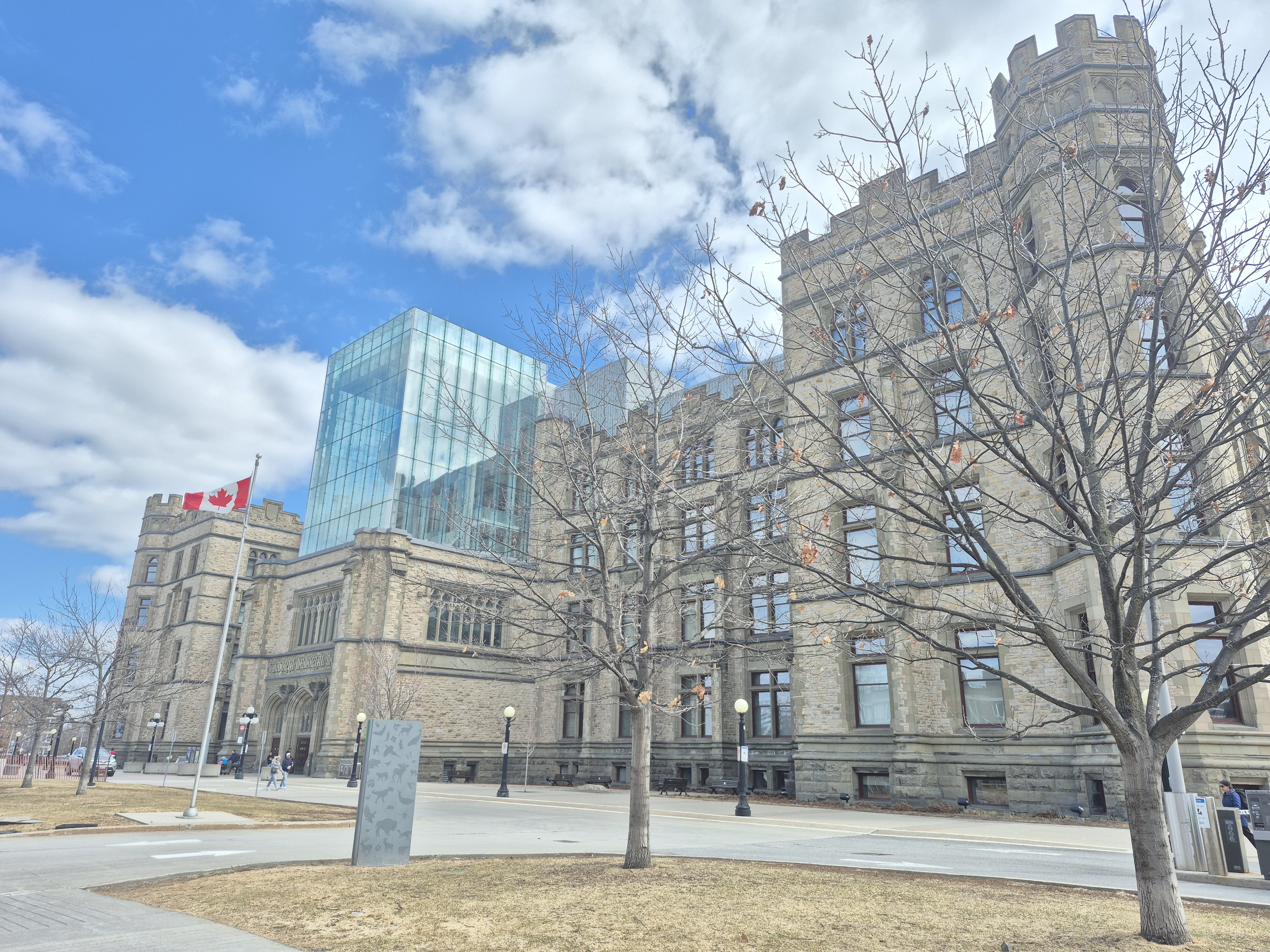
The Victoria Memorial Museum (original name) was designed by David Ewart and its architectural style is rooted in the Romanesque and Medieval traditions. Construction began in 1901, was completed in 1910 and opened to the public in 1912. The creation of the museum was a result of the government funded Canadian Geological Survey. The survey was about exploring and studying the geology of the young colony and collecting specimens from its landscapes. After placing these findings on display at the Great Exhibition in London in 1851, it was decided that a permanent museum in Canada would be constructed to house these discoveries in 1856.Architectural Influence
Romanesque revival and Neo-gothic architecture is characteristically massive in scale and often contains intricate motifs, both represented in this museum architecture (Bluemenson 77). By the middle of the 19th century, it was a popular design style for civic buildings in Canada (Bluemenson 77).The Role of the Museum in the Victorian Era
The subversive nature of the Victorian era is rooted in the attempts of man to control the world around him, as evident in the study of science and its attempt to categorize and label all living and non-living things (Gowans 209) (Foster 155). Therefore, the role of the museum is to be a physical source of that information and a vehicle for educating the public in an equally controlled manner (Foster 154). The role of the museum is further described by Foster, that “through viewing all of Nature in carefully composed displays […] people could see for themselves a ‘model for an economically productive, socially harmonious, and morally upright republic’” (154).Exhibition Overview
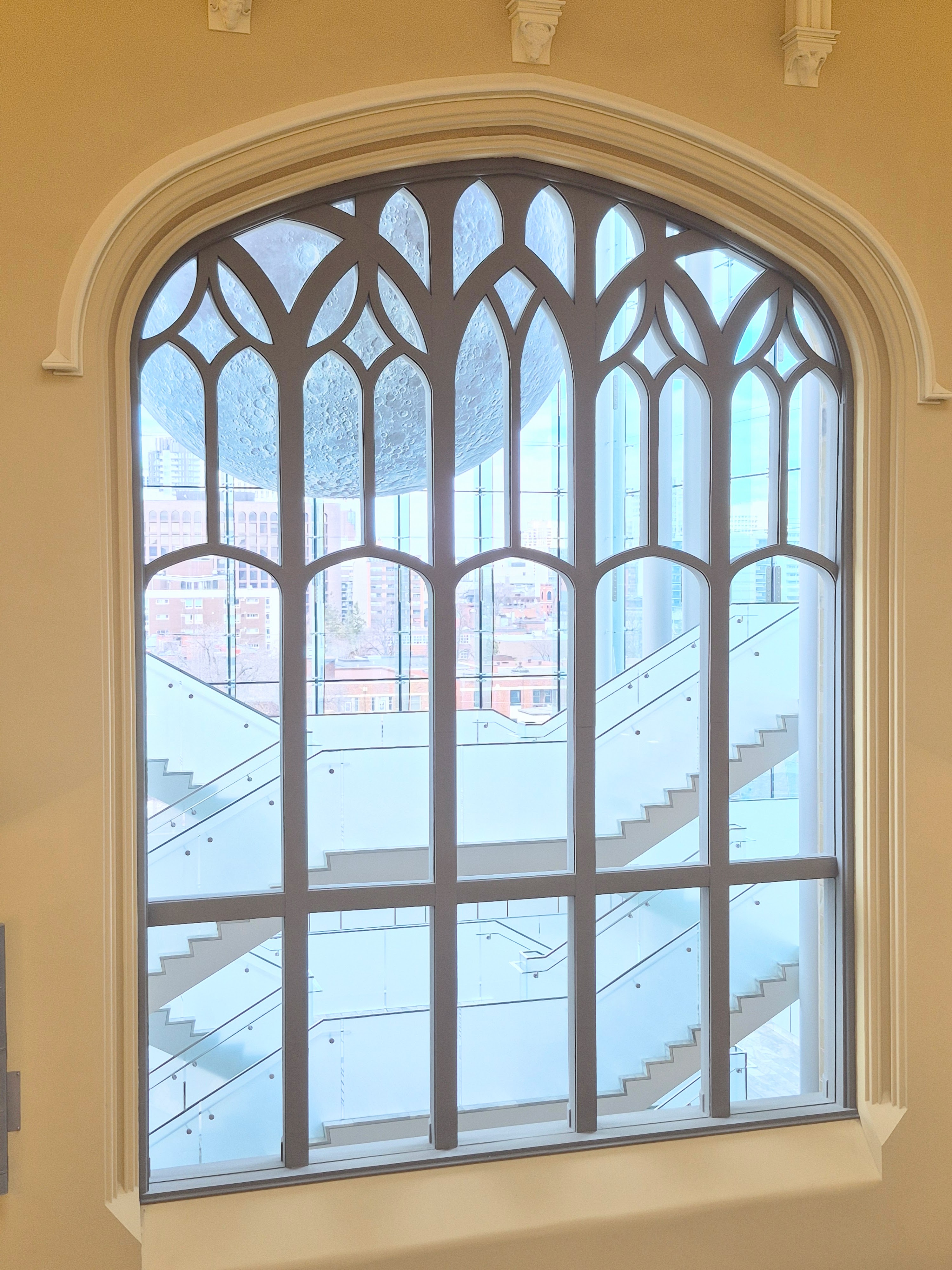
This exhibition explores the theme of nature and how the architecture of the museum is in conversation with this theme in both its past and presents forms. This exhibit will begin with the main lobby and central structure of the original building, focusing on architectural elements depicting flora and fauna. As the historiography on the relationship between nature and architecture evolves over time the exhibit will shift focus to the now renovated central tower of the museum and the dazzling “glass menagerie” of the aptly named “Queen’s Lantern” (Debanné 32).