This content was created by Anonymous.
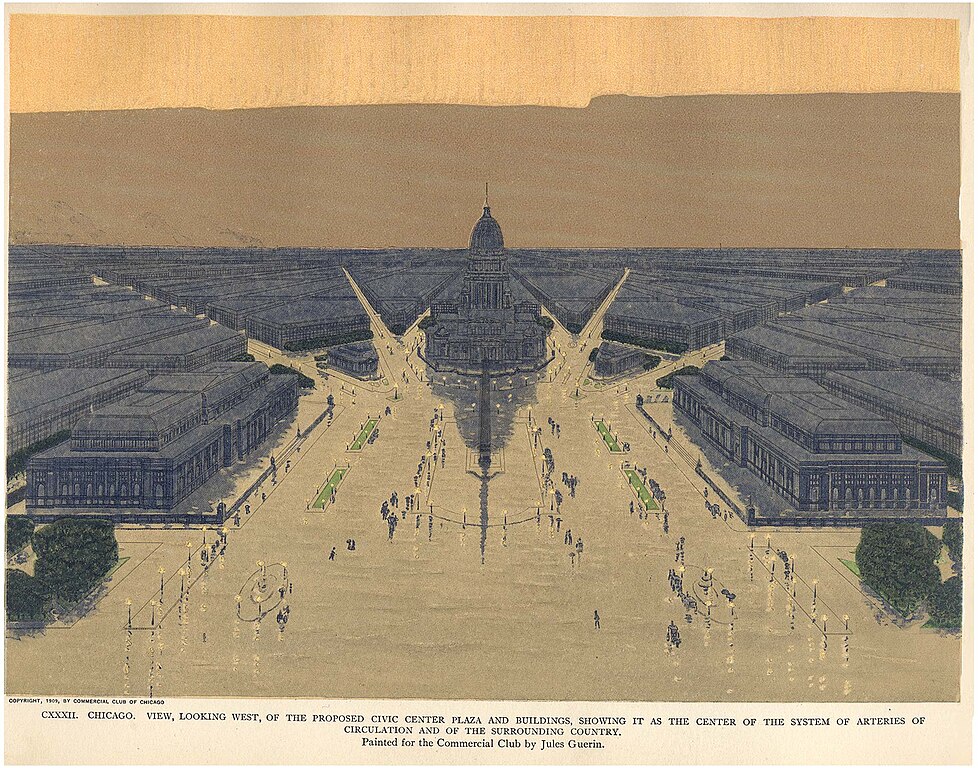
Bennett's utopian plan for Chicago which hoped to relieve urban stress by such things as modern pluming and wide streets
1 media/BurnhamPlanOfChicago-CivicCenterPlaza-JulesGuerin_thumb.jpg 2025-10-14T06:46:29+00:00 Anonymous 10 2 Credit: Wikimedia Commons plain 2025-10-14T06:46:58+00:00 AnonymousThis page is referenced by:
-
1
media/658380-rapport-greber-amenagement-ottawa-menera.jpg
2025-10-14T01:31:46+00:00
Social Forces and the City Beautiful Movement
13
plain
2025-11-18T00:21:45+00:00
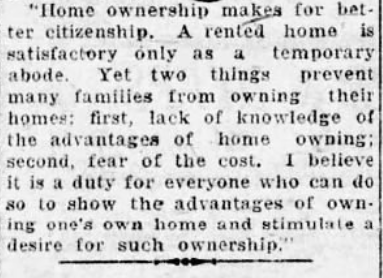
The popular press in early 1900s stressed home ownership as a proof of one's hard work, economic toil, and commitment to community, with the Ottawa Journal “telling its readers that home ownership would make an individual a better citizen and that pride in one's home was an important ingredient in one's own self-pride.” Since many of the houses built during the area's time as Manchesterville were constructed by their residents, for the first time one could have “a personalized house within his/her grasp.” A 1925 Ottawa Citizen article makes this clear:
Here the government was guided by “the actions of reformers, who tried to impose their vision on the working class” -no doubt like the Methodist informed social benefiance of David Manchester. As they saw it, in “the wider capitalised society: the single-family home symbolises individual achievement.” David Manchester was of course not the only man in the greater Ottawa area who cared deeply about the city's living conditions and built environment. In 1893 Wilfred Laurier, then leader of the Liberal opposition, pledged to reshape Ottawa from a rowdy lumber town into a proper capital befitting a British dominion. When referring to city planning, he sought to transform Canada’s “Westminster of the Wilderness” into the “Washington of the North.”
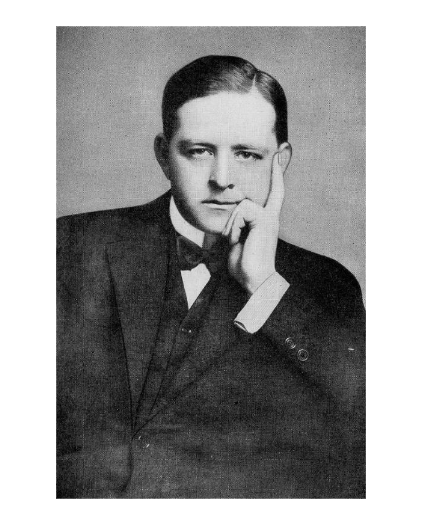
In fact these pronouncements in 1893 came the same year as the highly influential Chicago World’s Fair was put on in Chicago’s Jackson Park. The Chicago Fair showcased Chicago as the “ideal modern city,” complete with a full range of recreation and public service amenities - from ferris wheels to electricity and modern rail. Picking up where the World Fair left off was British-American Architect and City Planner Edward Bennett, who would design the 1909 Chicago plan along with one of the fairs original organisers Daniel Burnham. After his election as Prime Minister in 1899, Wilfred Laurier established the Ottawa Improvement Commission to acquire property and execute large scale public works. This eventually led to the short lived 1915 capital plan, which Bennett, then seen as one of the foremost Urban planners, was tasked to draw up. The government backed their decision claiming: “Mr. Bennett’s experience and the knowledge which he has gained at the Beaux Arts, which is acknowledged to be one of the greatest Architectural Colleges in the world, eminently fits him for the position.” Though for some it was felt that, “A man born in England, educated in France, and thoroughly familiar with the latest American techniques... what could be more Canadian?”
Bennett was one of the preeminent planners in what was termed the “city beautiful movement,” a “design philosophy that was concerned with architecture and urban planning, but extended to notions of social reform.” It held that public works and public welfare should be aimed at creating an attractive and harmonious city. They wanted “to create conditions of life such that the maximum of health, happiness and efficiency of the citizens may be obtained.” In trying to create such a city, Bennett turned to issues like sanitation, which was becoming an increasing issue in places like Hintonburg that until recently had lacked water mains. Many of the homes lacked plumbing, and a series of hydrants (powered by a pumping station in nearby Mechanicsville) were for use only by the fire service. Planning like Bennett’s “appealed to those involved in the social reform movement, as they believed that the built environment could promote moral regeneration, and proper urban planning could benefit the poor and working classes.”
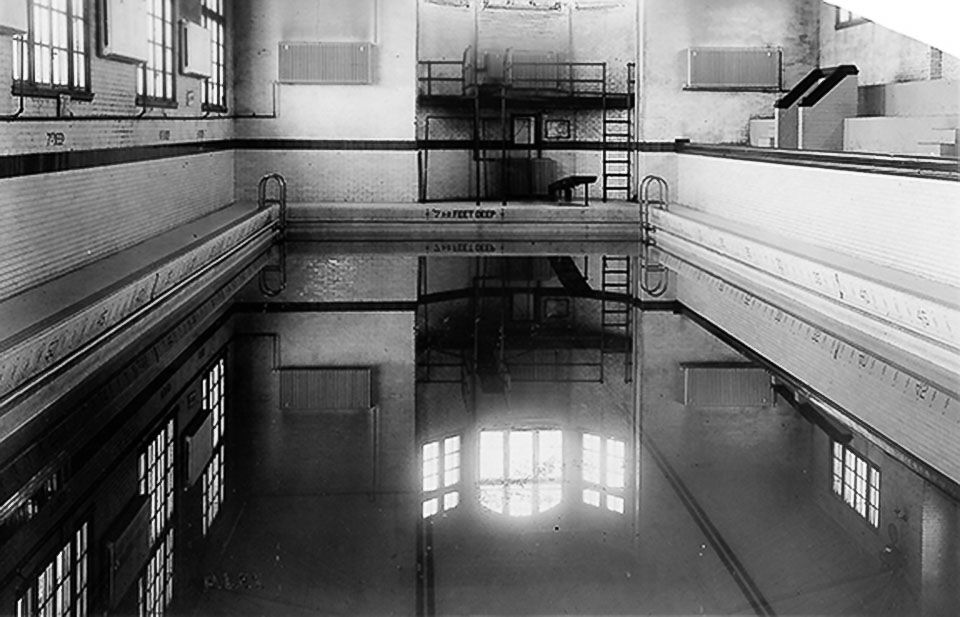
A fixation by the City Beautiful movement on sanitation led to the construction of the Plant Bath in 1924 on Somerset Street, just down the road from Hintonburg. They were built specifically to improve working class cleanliness, and “were not only viewed as a solution but also an obligation” by the bourgeoisie. The bath also acted “as a recreational center, viewed by social reformists as a responsibility of the government to provide to lower- and working-class citizens.” It's also telling that the site included a library, where workers could “educate themselves” and improve their moral cleanliness.