This page was created by Anonymous.
Approaching the Mid Century: Urban Exodus
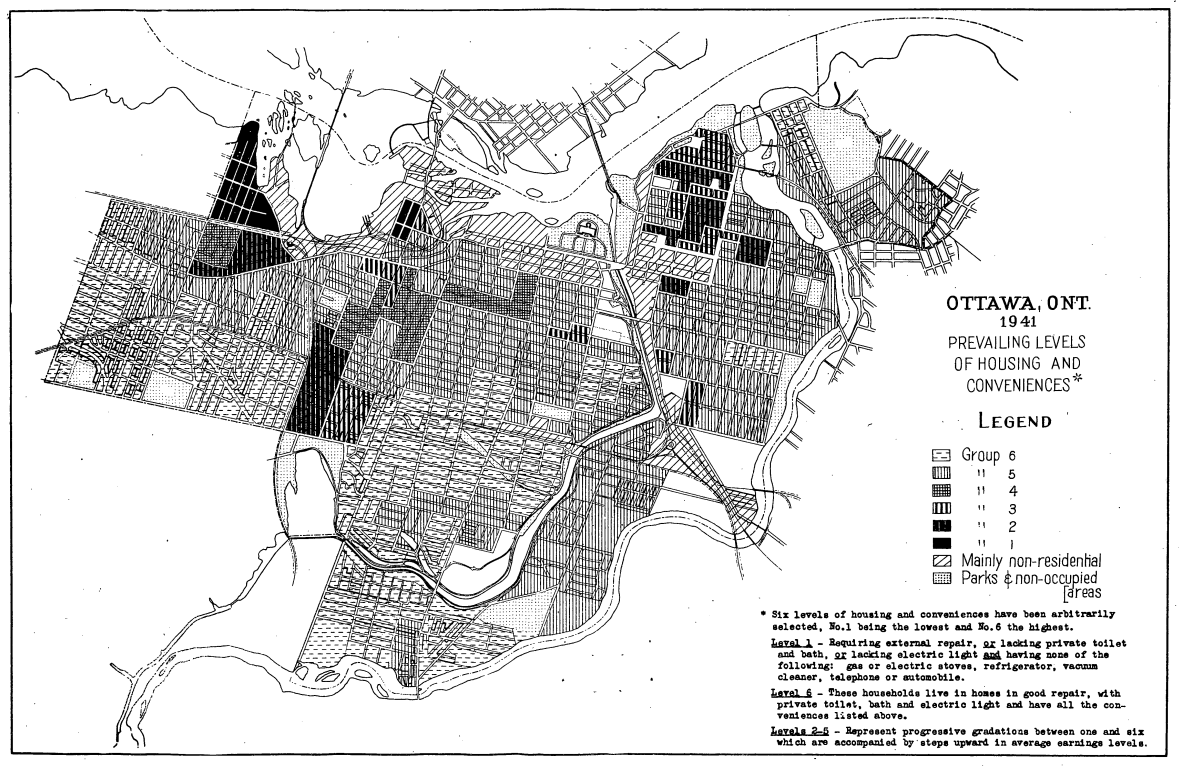
A 1941 “Housing Atlas” of the city is both telling of the continued homogeneity of the area, and also the now poor conditions of the worker’s cottages, which could verge on decrepit:
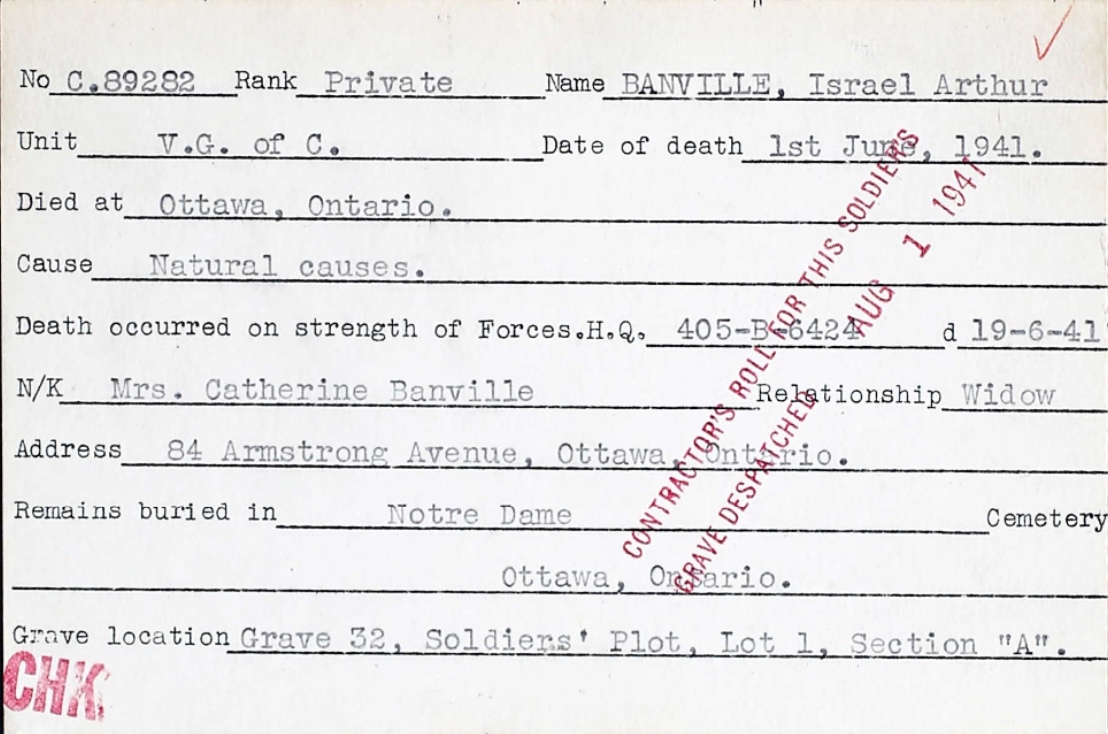
Not only did many lack electric stoves or refrigerators, but they still lacked the basic amenities of plumbed toilets and drinking water, as well as electric lighting - which had become ubiquitous in most other parts of the city by the 40s. It was only outdone by the then lumber slums on Lebreton Flats, and the extremely congested Lowertown. There were also constant debates about whether the nearby Plant Bath was serving its purpose to public hygiene, and whether it should be shut down. Many in this eastern quadrant of Hintonburg still relied on the trusty outhouse. On the positive, family income in the area was only slightly below average. Over thirty percent of the homes also had “less than one room per person, i.e. , living in dwellings with fewer rooms than there are persons in the household... kitchens count as rooms.” This helps explain why multiple different last names could be listed at the same address throughout the early 20th century period - even when excluding renters. Such was the case of the extensive Banville family that lived at the tiny cottage at 84 Armstrong during the war. The father Israel A. Banville was serving as a private in the 3rd veterans home guard, and died of a heart attack in June 1941:
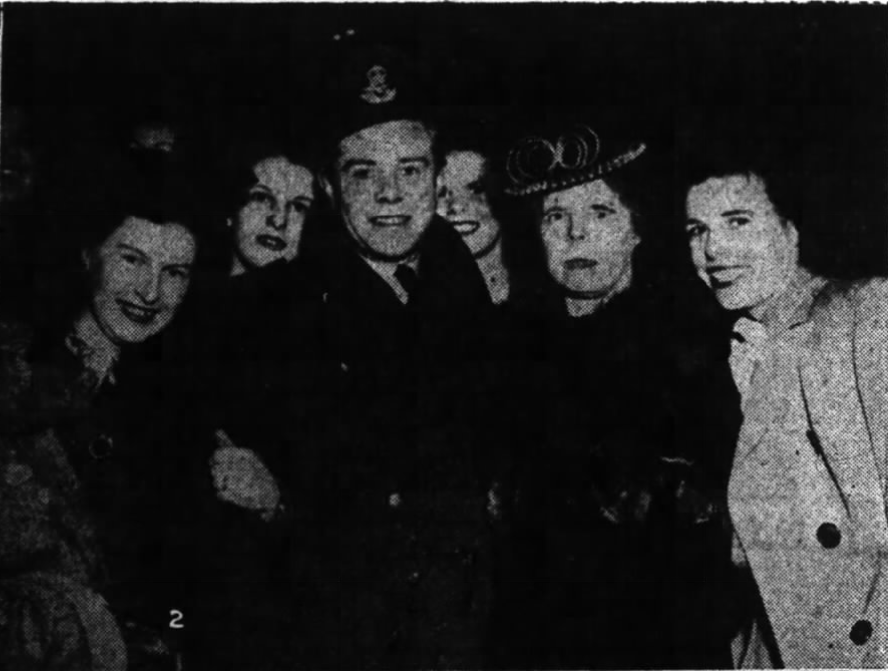
Two of his children would also serve, his daughter Privt. Paula Berthiaume in the Canadian Women's Army Corps, and his son Israel J. Banville in Western Europe following the Normandy landings, returning home just as “Field Marshal Walter Model and 30,000 German soldiers were encircled in the Ruhr.” Two weeks later the war in Europe would come to an end, and it was felt by many that congested, antiquated, and poorly serviced homes were no homes to return to for Canada's heroes. Many veterans had also given their formative years to the war effort, and now looked for civilian jobs and to start families. It's likely Israel J. Banville had both on the mind as his family welcomed him home at Union Station.
In the post-war period new developers would change the face of Ottawa, and like Manchester would seed their own ideas and convictions into their vision for suburbia. Names that might be familiar to older Ottawa residents, maverick developers Ropbert Campeau and William Teron would push suburbia outwards, in areas from Alta-Vista to Kanata and Nepean. As builder/developer Robert Campeau would note in the 50s: “I keep 400 families living well, eating well, being well dressed, and sending their kids to school, I want to have the power to do that for thousands of families,” noting the new prosperity and social class “modern” suburbs could provide.
The new bungalow suburbs of the 50s-60s, like those of developer William Teron, were billed as alternatives to the cramped and sometimes squalid conditions of areas like Eastern Hintonburg. New Teron homes for instance came with a full range of kitchen appliances included - from electric stoves to refrigerators.
While those like Israel J. Banville would leave the working class cottages of Manchesterville as veterans housing incentives and updated mortgage systems built newer suburbs, these cottages soldered on in the area. Many who choose to update their cottages today, give a nod to the area's history in their continued use of simple forms and gable roofs. If we peel behind the mask, nearly 140 years of built and social history can begin to become unraveled.