Manchesterville: the Origins of a Working Class Suburb II
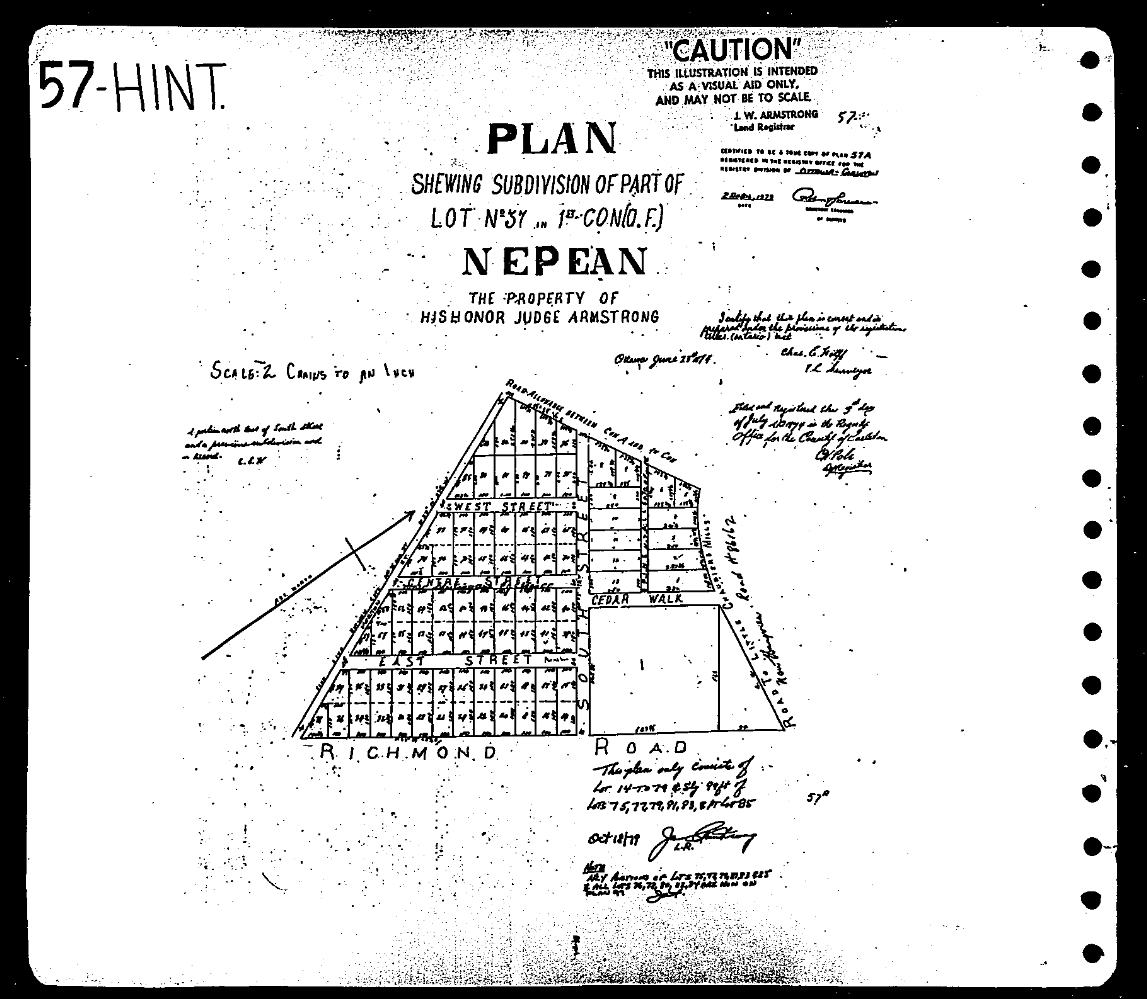
In 1871 railway firms bought land to the east of Armstrong’s estate, and established a railway roundhouse (used for the servicing of railway locomotives), bringing industry even closer. The next year would see railway tracks built along today's Scott Street, further hemming in the site. In 1874 Armstrong died and his estate was subdivided into a series of lots on June 23, as evidenced by the below plan:
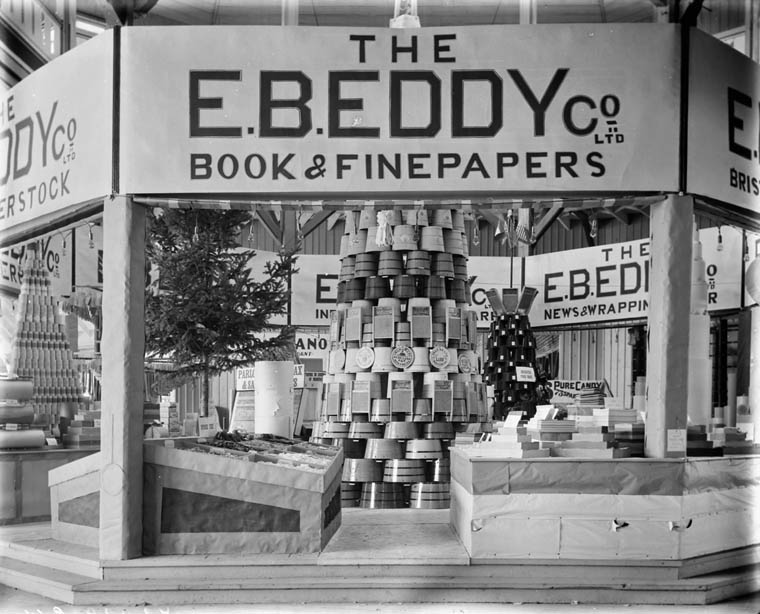
It is remarkable how consistent the general layout of the original subdivision has remained from 1874 until today. Besides Merton Street and Richmond Road, the streets went by different names: the appropriately named “west”, “centre” and “east” streets, and “Cedar Walk” (today's O’Meara) and “Pine Alley” (today's Hilda). Plot “1” - the location of the Armstrong estate - explains why “East Street” (today’s Armstrong) did not yet extend further east as it does today. The street names of “Cedar Walk” and “Pine Alley” still reflect the rural and idyllic natural character of the site even as industry crept in. What is today Bayview is simply listed as “Road to Little Chaudiere Mill’s,” and speaks to the number of smaller lumber mills, such as that of William Mason, that operated out of Mechanicsville away from the larger “lumber barons” of J.R Booth and E.B. Eddy on the Chaudiere.
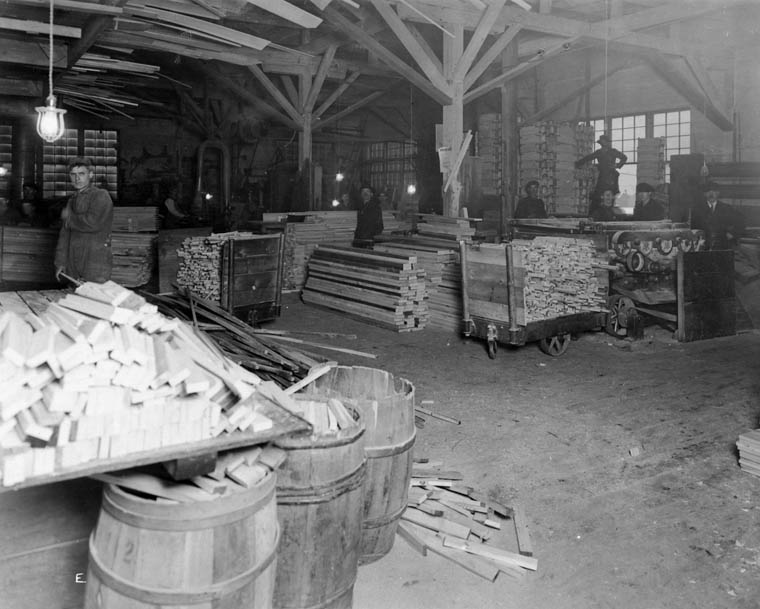
Originally immigrating from Durham county England in 1842, William Mason was an amputee in one leg, but used that fact to drive himself to become one of the “Pioneers of the Chaudiere” despite his handicap. He first bought a sawmill from his brother in law Philip Thompson, where Mason then began to turn out river boats for the logging industry - up to 300 small boats a year. With many of the workers of Manchesterville employed at his mill in the late 1800s, it's probable that it was there that they gained the wood working knowledge to build their homes. Mason had, like Judge Armstrong, also purchased land on the Sparks estate, which he then turned into his primary lumber yard:
William Mason would die in 1889 at which time his son, George Mason, would take over the business.