Building Techniques of the Worker’s Cottage: Plank Frame Construction
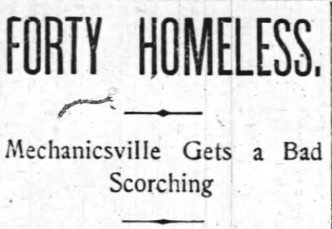
On May 26 1896 two boys were playing with a firecracker in a stable outbuilding behind the Hilda St. (then known as Pine Alley) house of Robert Woods. The horsing around went awry as fire engulfed the building, quickly spreading to the nearby shacks and sheds. James McGregor who had only recently finished building his own plank cottage that fall, watched as it went up in smoke. Luckily McGregor had the house and contents insured at $300 ($8,000). The neighbours acted quickly and the furniture was evacuated from all the houses, as a hose of over 700 yards was stretched from the nearby Mason and Sons Mill on Richmond Road. For most of the residents the fire was disastrous, as the article claims that nearly the entire block of the “growing suburb” was destroyed. Some key cottages still remain today, despite their brush with death. Neighbors in the area were nice enough to temporarily house those affected until they could find new lodgings or rebuild; forty were left homeless.
Such a story, published by the Ottawa Journal, is not only telling of a tragic event so early in Manchesterville history, but also gives evidence to the construction methods of the earliest homes in the area, and allows us to infer how they rebuilt given the stock that still exists today as well as period fire insurance plans from after the tragedy. Interestingly the article notes that “all the houses in this locality are frame structures and the homes of laborers employed in Mason’s and the Chaudiere lumber mills.” The hodgepodge nature of the outbuildings behind the homes left them significantly prone to accidental fires, which could then easily engulf the wood homes. As the article further notes, “a heap of ashes show where once stood the home that some workingman had with hard toil earned sufficient money to build.”
Through this we get our earliest picture of the sort of resident around Hilda Street and Manchesterville: working class lumber laborers like James McGregor, who, through the sweat of their own brow, had built their own homes. With the ready availability of planed lumber from the Chaudiere mills, and local know-how in woodworking and joinery, such cottages could be constructed with relative ease and speed. While these men were not carpenters, and few in the area worked in the building trades, the Ottawa lumber industry ensured the ready availability of plank frame construction.